
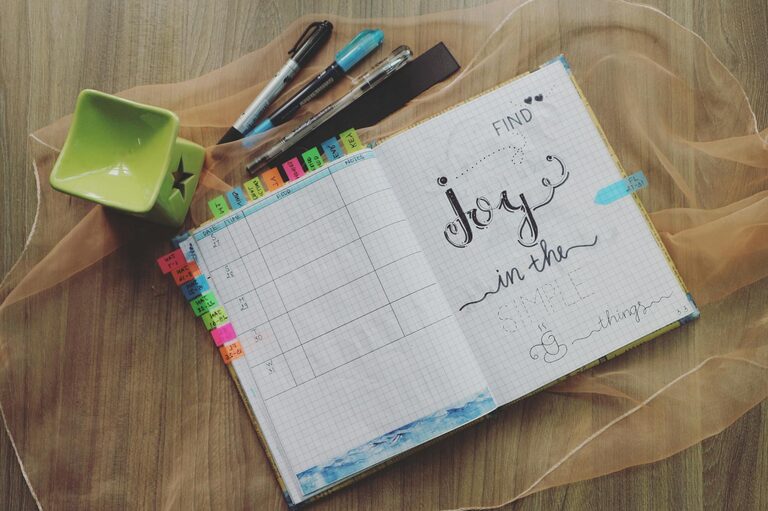
Starting a new habit to stay organized and productive can be exciting and overwhelming at the same time. Bullet journaling is a flexible and creative way to track your tasks, goals, and ideas all in one place. Whether you want to manage daily to-dos, plan long-term projects, or simply express yourself, bullet journaling offers a simple yet powerful system to help you stay on track.
In this beginner guide, we’ll walk you through the essentials of bullet journaling, including what you need, how to set up your first journal, and tips to keep the process enjoyable and effective.
What Is Bullet Journaling?
Bullet journaling, often called “bujo,” is a method developed by Ryder Carroll that combines a planner, diary, and to-do list into a single notebook. It uses short, bulleted lists and symbols to organize tasks, events, and notes. The beauty of bullet journaling is its adaptability — you can customize layouts and content to fit your lifestyle and preferences.
What You’ll Need to Get Started
Starting a bullet journal doesn’t require fancy tools. Here’s what you’ll need:
– Notebook: Choose one that feels good to write in. Popular options include dotted or grid notebooks, but lined or blank pages work too.
– Pen or Pencil: Use whatever writing instrument you like. Many bullet journalers prefer fine-tip pens for neatness.
– Optional Supplies: Colored pens, markers, stickers, washi tape, or stencils for decoration and color-coding.
Setting Up Your First Bullet Journal
1. Create an Index
The index is your journal’s table of contents. Leave the first few pages blank and label them “Index.” As you add entries, record their page numbers here for easy reference.
2. Number Your Pages
Number each page at the bottom or top corner. This helps in updating the index and finding sections quickly.
3. Set Up a Key or Legend
Decide on simple symbols to represent different types of entries. Common examples include:
– • Task
– ○ Event
– – Note
– X Completed task
– > Task migrated to another day
– < Task scheduled for the future
Write your key at the front of your journal for quick reference.
4. Create a Future Log
A future log is a yearly overview where you jot down important dates, deadlines, or events months ahead. Divide a couple of pages into sections for each month and add items as they come up.
5. Set Up Monthly and Daily Logs
– Monthly log: A calendar or list of dates for the current month where you track appointments, goals, and deadlines.
– Daily log: Each day’s tasks, events, and notes. You can keep this simple with bullets or get creative with layouts.
Tips for Using Your Bullet Journal Effectively
Keep It Simple
Start with basic layouts and symbols to avoid overwhelm. You can always add more complexity once you’re comfortable.
Be Consistent
Try to update your journal at a set time each day or week. Quick check-ins help you stay organized and reflect on your progress.
Customize It
Make your journal your own! Add doodles, quotes, or color codes that motivate you. It’s your personal system, so don’t hesitate to adapt it.
Don’t Stress About Perfection
Bullet journaling is about function first, beauty second. If a page doesn’t look perfect, that’s okay. Focus on how it helps you stay organized.
Popular Bullet Journal Collections to Try
– Habit tracker: Monitor habits like exercise, hydration, or reading.
– Gratitude log: Write things you’re thankful for each day.
– Mood tracker: Track your emotional state over time.
– Brain dump: A space to jot down ideas and clear your mind.
– Budget tracker: Keep an eye on your expenses and savings.
Conclusion
Bullet journaling is a wonderful tool to combine creativity with productivity. By starting simple and personalizing as you go, you’ll create a system that works uniquely for you. Remember, the best bullet journal is the one you’ll actually use, so keep it fun and flexible!
Ready to start your bullet journal adventure? Grab your notebook and pen and begin organizing your life today!