
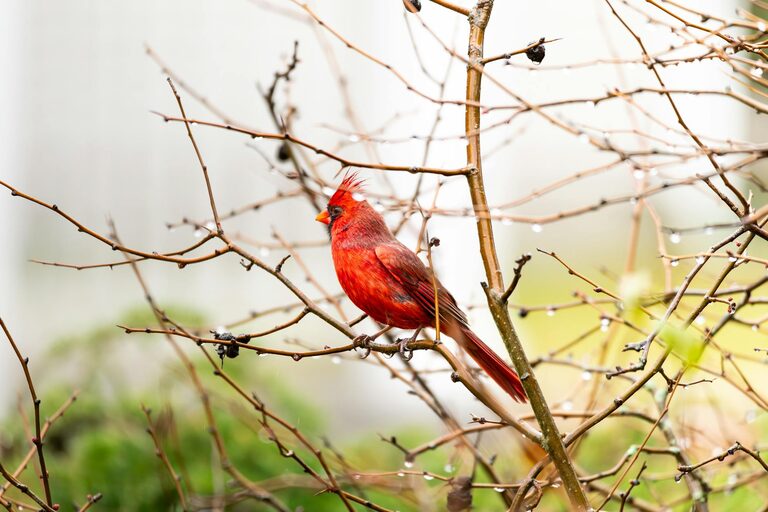
Birdwatching is a rewarding and relaxing hobby that anyone can enjoy, regardless of experience. Your own backyard can become a personal wildlife sanctuary, offering delightful glimpses of birds that brighten your days and teach you about nature. If you’re new to birdwatching, this guide provides beginner-friendly tips to help you get started and make the most of this enjoyable pastime.
Why Start Birdwatching in Your Backyard?
Birdwatching at home is convenient, inexpensive, and rewarding. You don’t need to travel to remote locations or invest in expensive gear. Simply observing the birds visiting your garden or backyard helps you discover local species, observe behaviors, and connect with nature daily.
Getting Ready: What You’ll Need
1. Binoculars
While not mandatory, a pair of binoculars greatly enhances the birdwatching experience. They allow you to see fine details like feather patterns and colors, even from a distance. Look for binoculars with a magnification around 8x and lightweight design.
2. Field Guide or Bird Identification App
A field guidebook or a smartphone app focused on birds in your area helps you identify visitors. Apps often include photos, bird calls, and information about each species’ habits, making learning fun and easy.
3. Notebook or Journal
Keep track of your sightings, dates, and any interesting behavior you observe. This journal becomes a personal record of your journey and helps sharpen your observation skills.
Setting Up Your Backyard for Birdwatching
Provide Food
Bird feeders attract various species, especially during colder months when natural food is scarce.
– Seed feeders: Black oil sunflower seeds attract many birds like finches and chickadees.
– Suet feeders: A great energy source for woodpeckers and nuthatches.
– Nyjer feeders: Ideal for finches that prefer tiny seeds.
Place feeders in safe, sheltered spots visible from windows or seating areas.
Offer Water
Birds need fresh water for drinking and bathing. A birdbath or shallow dish filled regularly encourages visits. Adding a small dripper or fountain can attract even more birds, as they enjoy moving water.
Provide Shelter
Shrubs, trees, and native plants supply shelter and nesting spots. Avoid trimming bushes during nesting season to protect any bird families. Planting flowering native species also provides natural food like berries and nectar.
Tips for Successful Birdwatching
1. Be Patient and Quiet
Birds are easily startled. Approach slowly, keep noise low, and avoid sudden movements. The quieter you are, the more likely birds will approach feeders or perch nearby.
2. Choose the Right Time
Early mornings and late afternoons are prime times when birds are most active searching for food. Spend 15-30 minutes observing during these windows for the best chances to see a variety of species.
3. Learn Bird Behavior
Watching birds’ habits helps you anticipate their moves. For example, small songbirds often feed in flocks, while hawks and owls might be seen perching silently. Recognizing calls and songs adds another layer to your experience.
4. Start with Common Birds
Begin by identifying familiar birds like sparrows, robins, or pigeons. As your skills improve, you can expand to look for less common or migratory visitors.
Safety and Respect for Wildlife
– Never feed birds bread, as it lacks nutrition and can harm them.
– Clean feeders and baths regularly to prevent disease.
– Observe nests from a distance and avoid disturbing birds during breeding season.
– Use sustainable and non-toxic materials for feeders or garden plants.
Joining the Birdwatching Community
Consider participating in local bird counts or online forums to share sightings and learn from others. These communities are friendly and welcoming, offering support and education as you develop your birdwatching skills.
Final Thoughts
Backyard birdwatching is a wonderful way to slow down, observe the natural world, and bring a little more peace into your daily routine. With simple preparations and a bit of patience, your backyard can become a lively bird haven full of fascinating creatures.
So, grab your binoculars, hang a feeder, and start your adventure—nature is waiting just outside your door!