
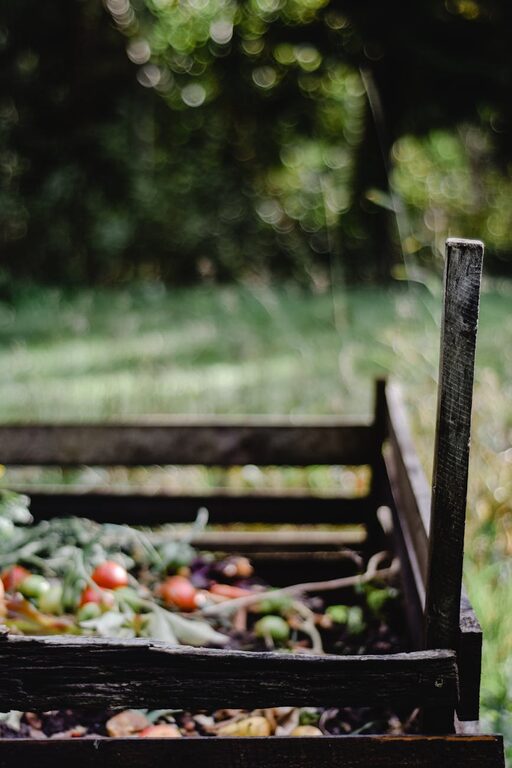
Composting at home is an excellent way to reduce waste, enrich your garden soil, and promote a healthier environment. If you’re new to composting, it might seem a little overwhelming at first. But with some basic knowledge and simple steps, anyone can start turning kitchen scraps and yard waste into nutrient-rich compost. Here’s a friendly guide to help you get started with composting at home.
What is Composting?
Composting is the natural process of recycling organic materials—like food scraps and yard waste—into a dark, crumbly soil amendment called compost. This compost enriches soil, helps retain moisture, and reduces the need for chemical fertilizers.
Why Compost at Home?
– Reduce waste: Divert food scraps and yard waste from landfills.
– Improve soil health: Compost adds nutrients and improves soil structure.
– Save money: Cut down on buying fertilizers and soil conditioners.
– Help the environment: Reduce methane emissions from landfills and support local ecosystems.
Getting Started: Choose a Composting Method
There are several ways to compost at home depending on your space and needs.
1. Backyard Compost Bin
Ideal for those with outdoor space. You can buy a compost bin or build your own.
Benefits:
– Handles larger amounts of waste.
– Usually faster decomposition.
– Helps keep pests away if properly managed.
2. Compost Tumbler
A sealed container that you can rotate to mix materials easily.
Benefits:
– Faster composting due to aeration.
– Compact and pest-resistant.
– Requires less manual turning.
3. Indoor Composting
Great for apartments or limited outdoor space—using small bins or vermicomposting (worms).
Benefits:
– Works indoors all year.
– Worm bins produce nutrient-rich castings.
– Convenient for kitchen scraps.
What to Compost: The Basics
A healthy compost mix requires a balance of “greens” and “browns.”
Greens (Nitrogen-rich)
– Fruit and vegetable scraps
– Coffee grounds and tea bags
– Fresh grass clippings
– Plant trimmings
Browns (Carbon-rich)
– Dry leaves
– Straw or hay
– Shredded paper or cardboard (non-glossy)
– Wood chips or sawdust (untreated)
What to Avoid
– Meat, fish, and dairy (attract pests)
– Diseased plants or weeds with seeds
– Pet waste
– Oils, fats, or processed foods
Setting Up Your Compost
Step 1: Choose a Location
Pick a spot that is dry, shaded, and easily accessible. This encourages microbial activity while preventing the pile from drying out or getting waterlogged.
Step 2: Build Your Pile or Fill Your Bin
Start with a layer of coarse material like small branches or straw to help with airflow. Then add alternating layers of greens and browns. Aim for about three parts brown to one part green for balanced composting.
Step 3: Manage Moisture
Your compost should be as moist as a wrung-out sponge—not too dry or too wet. If it’s dry, add water when you turn the pile. If it’s too wet and smelly, add more browns and turn it more often.
Step 4: Aerate Regularly
Turning your compost every few weeks introduces oxygen, speeding up decomposition and preventing bad odors.
Tips for Successful Composting
– Chop or shred materials: Smaller pieces break down faster.
– Avoid adding too many citrus fruits: They can slow down the process due to acidity.
– Keep pests away: Cover fresh food scraps with browns or soil to deter animals.
– Be patient: Composting can take several months depending on conditions.
– Use finished compost wisely: It should be dark, crumbly, and smell earthy.
Troubleshooting Common Issues
| Problem | Cause | Solution |
|————————–|—————————-|———————————-|
| Smelly compost | Too wet or too many greens | Add browns, turn pile to aerate |
| Compost not heating up | Not enough greens or volume | Add greens, increase pile size |
| Pests or rodents | Food scraps uncovered | Cover scraps with browns, secure bin |
| Compost too dry | Lack of moisture | Add water and mix |
Using Your Finished Compost
Once your compost looks and smells like rich soil, it’s ready to use. Mix it into garden beds, sprinkle it on lawns, or use it in potted plants to boost soil health and plant growth.
—
Composting at home is a rewarding practice that benefits your garden and the planet. With these beginner tips, you can confidently start composting today and enjoy all the perks of nurturing your own organic waste into a valuable resource. Happy composting!