
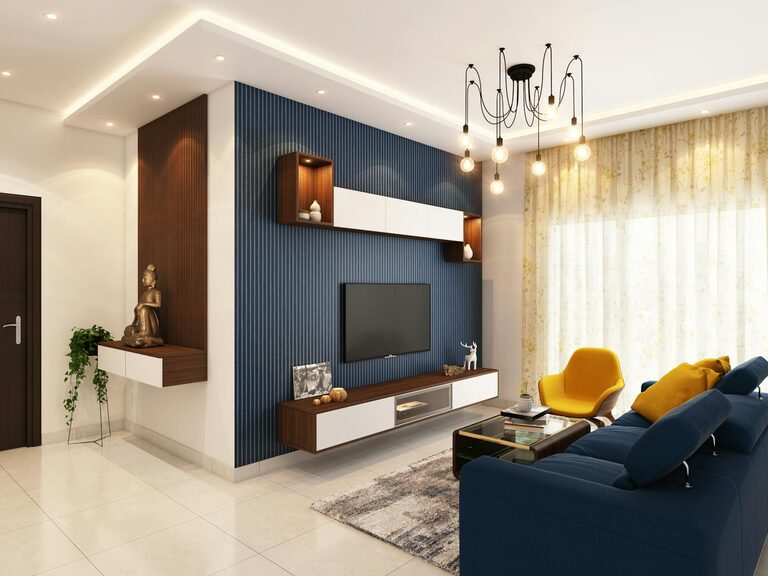
Creating a comfortable and inviting atmosphere in your home starts with the right lighting. Well-chosen lighting not only brightens up a space but also influences mood, productivity, and even health. However, deciding what type and style of lighting to use can be overwhelming with so many options available today. This guide will help you understand the basics of home lighting and offer practical tips to choose comfortable lighting that suits your space and lifestyle.
Why Comfortable Home Lighting Matters
Lighting affects how you see and interact with your environment. Poor lighting can cause eye strain, headaches, or make a room feel dull and uninviting. On the other hand, well-planned lighting enhances the aesthetics of your home, highlights important features, and keeps you comfortable.
Comfortable lighting balances brightness and warmth, reduces glare, and caters to your daily activities, whether reading, cooking, relaxing, or working from home.
Understand Different Types of Lighting
Before choosing lighting fixtures and bulbs, it is crucial to understand the three main lighting layers:
Ambient Lighting
This is the general, overall light in a room. It provides uniform illumination and serves as the base layer. Examples include ceiling-mounted fixtures, chandeliers, or recessed lights.
Task Lighting
Task lighting focuses on specific activities that need concentrated light, such as reading lamps, under-cabinet lights in kitchens, or desk lamps.
Accent Lighting
Accent lighting highlights particular objects or architectural features like artwork, plants, or textured walls. Spotlights, wall sconces, and LED strips are typical accent lights.
Combining these layers ensures your home is both functional and visually appealing.
Tip 1: Choose the Right Color Temperature
Color temperature is measured in Kelvin (K) and refers to the warmth or coolness of light.
– Warm light (2700K–3000K): Creates a cozy, relaxing atmosphere. Ideal for living rooms and bedrooms.
– Neutral light (3500K–4100K): Offers a balanced, natural feel. Good for kitchens, bathrooms, and workspaces.
– Cool light (5000K+): Bright, crisp light that mimics daylight. Suitable for areas requiring high visibility, like garages or reading nooks.
Choosing the appropriate color temperature helps enhance comfort and functionality in each room.
Tip 2: Opt for Adjustable Lighting
Flexibility is key to comfortable lighting.
– Dimmer switches: Allow you to adjust brightness to suit the time of day or activity.
– Smart bulbs: Can change color and brightness through apps or voice commands.
– Layered lighting: Combining ambient, task, and accent lighting lets you control the mood and focus.
Adjustable lighting ensures the environment feels right whether you’re relaxing, hosting guests, or working.
Tip 3: Consider Natural Light and Window Placement
Take advantage of natural daylight by arranging furniture and lighting fixtures accordingly. Natural light improves mood and reduces energy use.
– Position reading chairs near windows.
– Use light, sheer curtains to diffuse harsh sunlight.
– Avoid putting bright screens directly opposite windows to reduce glare.
By complementing natural light with artificial lighting, you’ll create a well-lit, comfortable space throughout the day.
Tip 4: Be Mindful of Glare and Shadows
Glare and harsh shadows can be uncomfortable and strain your eyes.
– Use lampshades or diffusers to soften light sources.
– Position task lights so that your hands or body don’t cast shadows on work surfaces.
– Avoid overly bright bulbs in exposed fixtures.
Properly diffused and positioned lighting creates an inviting atmosphere without discomfort.
Tip 5: Match Lighting to Room Function
Each room has different lighting needs depending on its purpose.
– Living Room: Warm ambient lighting with adjustable task lights for reading or hobbies.
– Kitchen: Bright, neutral light for precise tasks, supplemented with under-cabinet lighting.
– Bedroom: Soft, warm lighting with options for dimming to promote relaxation.
– Bathroom: Bright, even light for grooming, with minimal shadows around mirrors.
– Home Office: Neutral to cool light to enhance focus and reduce eye fatigue.
Assess how you use each space and select lighting to complement those activities.
Tip 6: Use Energy-Efficient Bulbs
Comfortable lighting doesn’t have to come at the cost of high energy bills or environmental impact.
– LED bulbs are long-lasting and energy-efficient.
– They produce less heat compared to incandescent bulbs.
– Many LED bulbs come with adjustable brightness and color temperature.
Choosing energy-saving bulbs benefits your comfort and the planet.
Tip 7: Pay Attention to Light Fixture Design
Lighting fixtures are not just functional — they contribute to your home decor.
– Select fixtures that complement your style, whether modern, rustic, or classic.
– Consider size and scale to avoid overpowering the room or seeming too small.
– Adjustable fixtures like track lighting can focus light exactly where needed.
The right fixture enhances both lighting quality and aesthetic appeal.
Tip 8: Plan Lighting Placement Carefully
Strategic placement is essential for comfortable lighting.
– Avoid placing strong light sources at eye level to minimize glare.
– Use multiple light sources in a room for balanced illumination.
– Place accent lights to highlight focal points or architectural details.
A thoughtful lighting layout creates a cohesive and comfortable environment.
Conclusion
Choosing comfortable home lighting involves understanding different lighting types, matching color temperature to your preferences, and planning placement carefully. By layering ambient, task, and accent lighting, incorporating adjustable features, and choosing energy-efficient bulbs, you can create a warm and practical atmosphere tailored to your lifestyle. Remember to consider natural light and avoid glare to ensure your home remains cozy and inviting day and night.
Taking time to plan your lighting thoughtfully will not only improve your comfort but also add beauty and function to your living space. Happy lighting!